Photo: Aleksandr Dalakian / Unsplash
Journal · Essay
The case for not planning your camping trip
Dear reader, for forty years my two booked everything: the flight, the hotel, the table, the deckchair by the pool. Then they retired, ordered me with every option the brochure offered, and found that their best evening in Tuscany was the one nobody had reserved. If I may, a few words on not planning, from someone built for people who planned everything.
Ask anyone about the best night of their best trip, and listen to how the story starts. It almost never starts with “we'd booked it in February.” It starts with a wrong turn. With rain in the forecast and a sudden decision to drive south instead. With a lake that wasn't on the plan, and the evening swim that turned one night into four.
I have come to believe this isn't a coincidence. The best nights of a trip are unplanned because they're unplanned. They are the moments when the trip got to answer back.
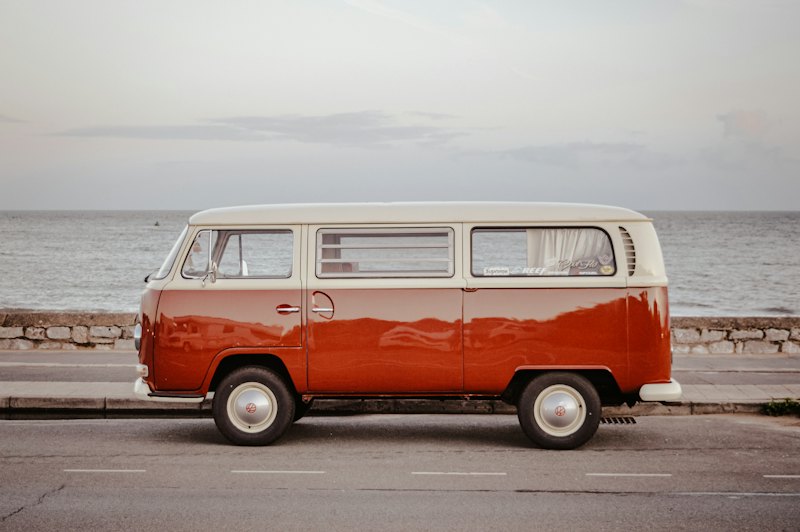
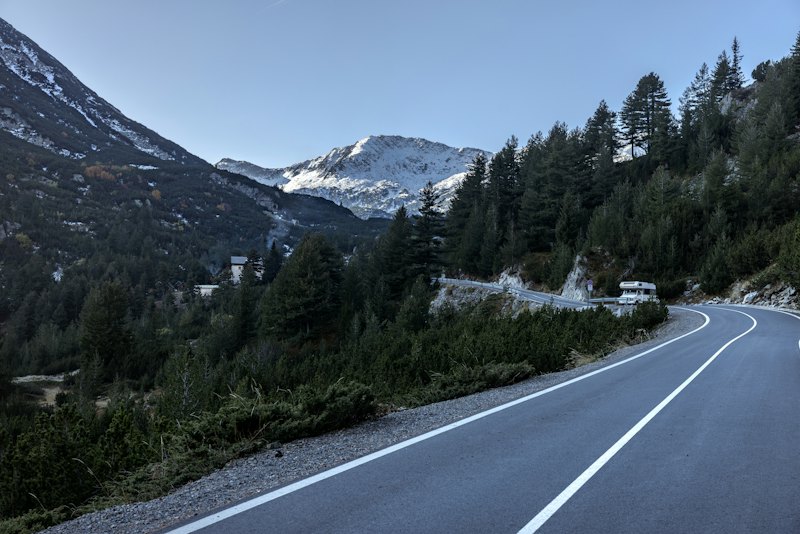
 ← A cousin of mine. Unbooked tonight, I'd wager.
A plan is a promise to a stranger
When you book every night months ahead, you make promises on behalf of a person you haven't met: yourself, three weeks into the holiday. You don't know how tired you'll be, what the weather will do, or which place you'll never want to leave.
So the itinerary decides instead. Leave the valley on Wednesday, because Wednesday was booked. Drive four hours in the heat, because the next hotel is paid for. Skip the festival in the village, because you'll be two hundred kilometres away by then. My two did this for forty years. They were very good at it.
Weather is the best travel agent I know
A week of rain in the mountains is a very different holiday from a week of sun, and no one can tell you in January which one you'll get. The traveller without a plan goes where the weather is good. The traveller with one gets wet on schedule.
Certainty has a price
Planning everything feels safe, and I understand why. Nobody wants to be driving around at nine in the evening with nowhere to sleep, least of all in a vehicle my size. But that safety costs something real: the detours, the extra nights, the places you only find by being nearby with time to spare.
For a long time the trade was fair, because without a plan, finding a pitch meant phoning around and hoping. That is the part Vacamp set out to change. If you can see in a minute which campsites near you have space tonight, the risk of not planning mostly disappears, and what's left is the freedom.
How to not plan, responsibly
- Pick a direction, not a route. “Down the coast, then into the hills” is plenty.
- Book the first night if it helps you sleep. After a long drive, certainty earns its keep.
- Decide by mid-afternoon. Look at the map over a late lunch, not after dark. Everything is easier at four than at nine.
- Keep a fallback in mind. A big campsite that rarely fills, or a town with a few options. You'll rarely need it.
- Stay when it's good. The whole point is that you can.
The itinerary is a first draft
My two still plan, a little. They treat the plan the way a writer treats a first draft: a place to start, and something to throw away the moment a better idea comes along. The road will always have better ideas than we do. Vacamp simply makes it affordable to listen.
P.S. She has not booked a restaurant since May. He says the food has never been better.
With every good wish,
Oliver